A living trust can look simple on a screen. Answer a few prompts, download a document, sign here, and it feels like your family is protected. That is exactly why the online trust service vs local advisor question matters so much. When the goal is probate avoidance, privacy, and a smooth transfer of assets, the difference is rarely just convenience. It is often the difference between having papers and having a plan.
For many California families, that distinction becomes clear only after a major life event – retirement, the purchase of a home, a blended family situation, a special needs child, or the death of a parent. At that point, the real question is not which option is faster. It is which option gives your loved ones the clearest path forward when they need it most.
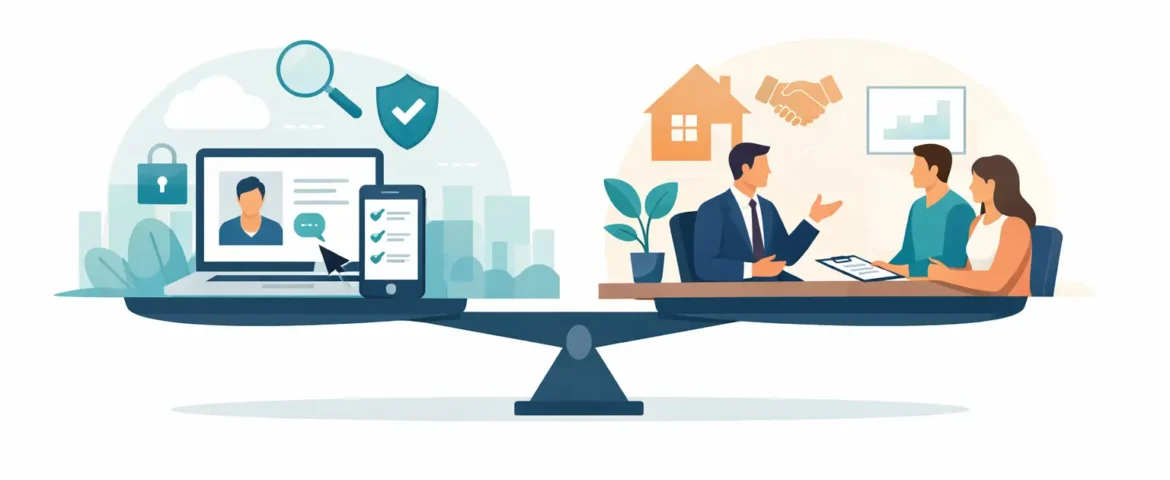
At first glance, both options promise the same result: a completed trust document. But that framing is too narrow. In practice, you are choosing between a document-driven process and a relationship-driven planning process.
An online trust service usually works best as a standardized system. It asks for names, roles, and basic preferences, then produces forms based on your responses. For some people with very simple circumstances, that may feel efficient. The appeal is obvious – lower upfront cost, quick turnaround, and the comfort of doing things on your own schedule.
A local advisor approaches the process differently. Instead of assuming your situation fits a preset template, the advisor looks at the people, assets, risks, and goals behind the trust. That includes questions many online systems cannot truly evaluate: Are your assets titled properly? Should your trust be single, joint, or more specialized? Who should act as successor trustee, and are they actually prepared? How will your family manage if incapacity occurs before death? What happens if one child needs more protection than another?
That deeper review is where much of the long-term value lives.
Online services are popular for a reason. They can be fast, private, and less intimidating than booking an appointment. If someone is hesitant to start estate planning at all, an online platform may feel like an easy first step.
For a younger adult with few assets, no children, and limited estate planning goals beyond basic instructions, a simple online document may cover part of the need. It may also help people realize they should stop postponing important decisions.
Still, estate planning is not only about generating language. It is about whether the language matches real life and whether the plan will work when family members rely on it. A trust that is not properly funded, coordinated, or understood can leave heirs facing many of the same problems the trust was supposed to prevent.
This is where convenience has a trade-off. The easier the system feels, the easier it is to miss what is not being asked.
The most common weakness is not necessarily the trust document itself. It is the absence of personal analysis and follow-through.
A living trust does not avoid probate simply because it exists. Assets generally need to be aligned with the trust. Deeds may need attention. Account ownership and beneficiary designations should be reviewed in context. If a person finishes an online trust but never completes those next steps, the trust may offer less protection than expected.
Families also run into trouble when their situation is more layered than they first assumed. Blended families, family conflict, business interests, rental property, long-term care concerns, and special needs planning all create issues that call for more than generic instructions. Even naming guardians, trustees, or powers of attorney can carry emotional and legal consequences that are hard to sort through alone.
There is also a practical concern many people do not consider: when questions arise later, who helps? If a trustee is confused, if a beneficiary challenges a decision, or if a parent becomes incapacitated, a local relationship can matter far more than a customer support portal.
A local advisor does more than prepare documents. A good advisor helps you think through outcomes before your family has to live with them.
That matters in living trust planning because one decision affects another. The trust must reflect your property, your family structure, your goals for control, and your concerns about privacy and probate. If you own a home in California, that level of care becomes even more important because probate can be costly, public, and time-consuming. Avoiding that process is not just a legal benefit. It is a practical gift to the people you love.
A local advisor can also explain choices in plain language. Many families are not looking for technical jargon. They want to know what happens if a spouse passes away, if children inherit too early, or if a loved one has vulnerabilities that call for additional protection. They want to know whether the plan they are signing today still makes sense after retirement, remarriage, disability, or the purchase of another property.
That kind of guidance builds confidence because it turns estate planning into something understandable and usable.
The more your life includes exceptions, the less useful a one-size-fits-all process becomes.
A joint trust for spouses may seem straightforward until there are children from prior relationships, uneven financial contributions, or concerns about how assets should pass after the surviving spouse dies. A special needs trust strategy requires even more care, because preserving benefits and protecting quality of life demand precise planning. Business owners also face questions about succession, authority, and how personal and business assets interact.
In those situations, local guidance is not about hand-holding. It is about avoiding expensive mistakes that often begin as small oversights.
Families preparing for retirement often benefit from this broader view as well. Trust planning does not happen in isolation. It connects with beneficiary choices, income planning, insurance-based legacy goals, and the practical management of assets during incapacity. A local advisor who sees the bigger picture can help make sure these pieces support one another rather than conflict.
It is fair to say online services usually appear less expensive upfront. For budget-conscious families, that matters. But estate planning should be measured by total value, not only initial price.
A lower-cost trust that is incomplete, unfunded, or poorly matched to your family can create delays, confusion, and legal expense later. By contrast, a higher-touch planning process may cost more at the start but save far more in court costs, administrative stress, and family conflict.
That does not mean every family needs the most elaborate plan available. It means the right comparison is not document price versus document price. It is outcome versus outcome.
If your priority is simply obtaining forms, an online option may satisfy that goal. If your priority is making sure your loved ones can actually use the plan with clarity and confidence, a local advisor often delivers stronger value.
Start with honesty about complexity. If you own real estate, have minor children, want to avoid probate, care about privacy, or expect your plan to protect a surviving spouse or future generations, personalized support usually becomes much more valuable.
Think about your own decision-making style too. Some people are comfortable interpreting legal and financial language without support. Others want to ask questions, talk through family concerns, and make sure documents are coordinated correctly. There is no shame in needing guidance. In estate planning, caution is often wisdom.
It also helps to ask what kind of support your family would need later. The person creating the trust is not the only one affected by the process. Successor trustees, spouses, adult children, and beneficiaries may all depend on the quality of the planning behind the scenes.
That is one reason many families in California prefer working with a trusted local professional. They are not just purchasing paperwork. They are creating structure, reducing uncertainty, and protecting the people they care about most.
A firm such as CaMu Document Services approaches trust planning with that larger responsibility in mind, helping families align living trusts with broader legacy and protection goals rather than stopping at basic document preparation.
The best estate plan is not the one that was fastest to print. It is the one your family can rely on when life becomes difficult, emotions are high, and clear guidance matters most.

